
The Importance of Agricultural Technology Application Architecture in Adelaide
Need A Data Audit?
Key Takeways
- Agricultural technology application architecture in Adelaide provides the structural foundation required to process complex telemetry and yield data at scale.
- Implementing farm management systems architecture built on modular cloud infrastructure ensures low latency, high uptime, and real-time decision-making.
- Seamless API integration with IoT sensors enables predictive agronomy and precision agriculture across diverse regional farming environments.
- Partnering with local software engineering experts ensures compliance with Australian data privacy frameworks and regional agricultural standards.
Developing modern farming software requires robust engineering to convert massive field datasets into actionable agronomic insights. Implementing a resilient agricultural technology application architecture in Adelaide enables producers and enterprise AgTech providers to scale their operations cleanly. By prioritising a well-structured software blueprint, agribusinesses minimise technical debt, optimise crop yield, and build platforms capable of supporting continuous digital transformation across South Australia’s agricultural sector.
Understanding the Role of Application Architecture in Modern Farming
Application architecture in modern farming defines the core structural design, data pipelines, and integration protocols that allow software to process complex agricultural information. Without a robust architecture, farming software struggles to ingest unstructured data from machinery, weather stations, and soil telemetry. Deploying a structured farm management systems architecture allows developers to decouple front-end user interfaces from heavy backend calculations. This modular approach ensures that updates to agronomic models or yield algorithms do not destabilise daily farm operations.
Processing Large Datasets with Scalable Cloud Infrastructure
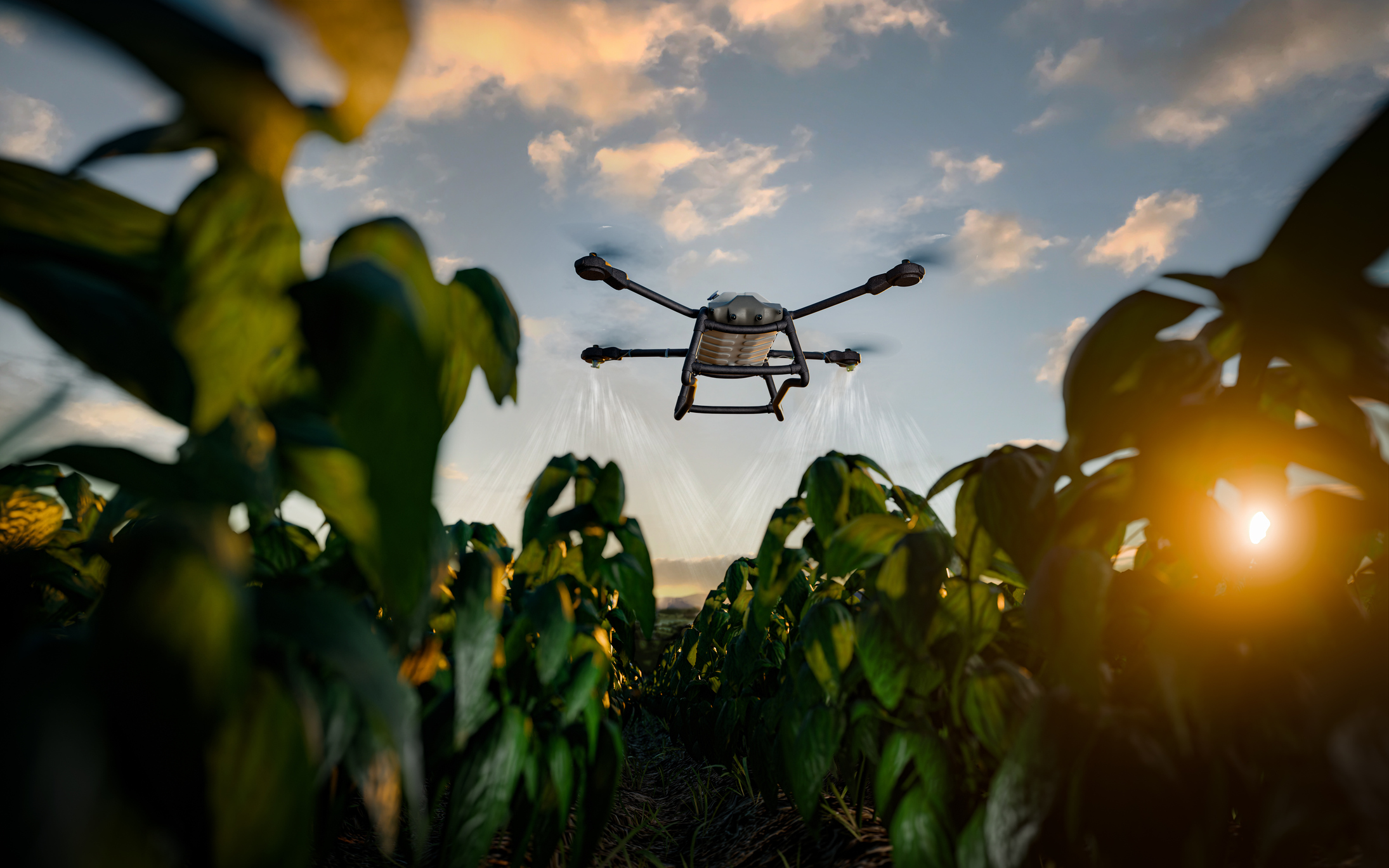
Processing large datasets with scalable cloud infrastructure involves leveraging auto-scaling cloud servers and distributed databases to process high-volume spatial and sensor data efficiently. Modern precision agriculture relies on continuous data streams from satellite imagery, drone mapping, and automated harvesters. Developing scalable agricultural data platforms allows AgTech companies to process gigabytes of field imagery without experiencing performance bottlenecks. In our experience with regional agribusinesses across South Australia, transitioning from monolithic architectures to microservices-based cloud environments reduces data processing times from hours to seconds during peak harvest periods.
Optimising Farm Management Systems for Real-Time Decision Making
Optimising farm management systems for real-time decision making requires designing low-latency data pipelines that instantly deliver actionable agronomic alerts to field operators. When soil moisture drops or weather conditions shift rapidly, growers need immediate notifications to protect crop yields. By building a robust farming software architecture, engineering teams ensure that predictive agronomy models process incoming sensor inputs in real time. This rapid data processing allows producers to automate irrigation cycles, optimise fertiliser application, and make informed operational decisions directly from mobile field devices.
Integrating IoT Sensors and Smart Farming Devices Seamlessly
Integrating IoT sensors and smart farming devices seamlessly relies on implementing standardised API communication layers and edge-computing protocols to connect diverse hardware devices. A modern smart farming ecosystem incorporates equipment from multiple manufacturers, ranging from weather stations to autonomous tractors. Deploying flexible AgTech software solutions South Australia growers depend on ensures that data from disparate edge devices converges into a unified dashboard. Through clean API integration, legacy machinery can communicate with modern cloud databases, eliminating data silos and simplifying operational management across the property.
Ensuring Data Security and Compliance in South Australian Agriculture
Ensuring data security and compliance in South Australian agriculture involves implementing end-to-end encryption, strict access controls, and sovereign data governance protocols to protect proprietary farm information. Agricultural telemetry contains valuable intellectual property, including proprietary crop yield figures and land management strategies. By adhering to modern cybersecurity frameworks, custom AgTech application development protects farm data against unauthorised access and cyber threats. Establishing clear data governance models ensures that agribusinesses maintain complete ownership of their operational data while remaining fully compliant with Australian privacy standards.
Partner with Adelaide’s AgTech Application Architecture Experts
Partnering with Adelaide’s AgTech application architecture experts connects your agribusiness with local software engineers who build resilient, scalable digital solutions tailored to regional growing conditions. From the broadacre cropping regions of the Eyre Peninsula to the horticultural hubs of Virginia and the Waite Research Precinct, South Australian agriculture demands specialised technical infrastructure. At Xmplify, we combine deep systems engineering expertise with comprehensive managed services to design high-performance agricultural technology application architecture in Adelaide. We help AgTech innovators turn complex spatial data into secure, user-friendly applications built for sustainable expansion.
Ready to build scalable AgTech software engineered for growth? Reach out to our team today to consult with our application architects.

ABOUT THE AUTHOR
Xmplify
Xmplify is a premier South Australian technology services and consulting firm specialising in Custom Software Development, Systems Integration, and Managed IT Services. Based in Adelaide, the Xmplify team helps agricultural technology providers, enterprise logistics, and commercial clients navigate complex digital environments, delivering secure, scalable software architectures that drive operational efficiency.